
Why Suit Care Matters in Vietnam’s Climate
.jpg)
Vietnam is known for its vibrant culture, beautiful landscapes, and warm tropical climate. However, for gentlemen who invest in a custom suit in Hoi An, this same climate can become the biggest challenge to maintaining their garment’s quality.
High humidity, sudden temperature changes, and prolonged moisture exposure can affect even the finest fabrics. As a tailor in Hoi An with years of experience crafting bespoke suits for international clients, I often remind customers:
“A well-made suit is only as good as the care it receives after leaving the tailor’s hands.”
This guide will help you understand how to properly care for your custom suit in Vietnam’s humid weather, ensuring your suit remains sharp, structured, and elegant for many years.
1. Understanding the Impact of Humidity on Custom Suits
.jpg)
Humidity is the silent enemy of fine tailoring. In Vietnam, average humidity levels often exceed 75%, which directly affects natural fibers such as wool, cotton, and silk — the materials most commonly used in high-quality custom suits.
Common problems caused by humidity:
-
Fabric absorbing moisture and losing shape
-
Mold or mildew forming inside jackets
-
Unpleasant odors trapped in linings
-
Weakened canvas and interlining
-
Wrinkles that do not release naturally
At Maya Tailor Hoi An, we design suits with local climate in mind, selecting breathable materials and internal structures suitable for tropical conditions. Still, proper care after purchase is essential.
2. Choosing the Right Fabric for a Custom Suit in Hoi An
.jpg)
The foundation of good suit care begins before the suit is even made.
Recommended fabrics for Vietnam’s climate:
-
Tropical wool (Super 100s–130s): Breathable, wrinkle-resistant, and ideal for daily wear
-
Wool–linen blends: Excellent airflow with better structure than pure linen
-
High-twist wool: Helps prevent moisture absorption
-
Cotton twill or lightweight fresco: Suitable for casual tailoring
As a professional tailor in Hoi An, I strongly advise avoiding heavy wool or thick linings unless the suit is meant for air-conditioned environments only.
3. Proper Storage: The Foundation of Suit Longevity
.jpg)
Use the Right Hanger
Always hang your custom suit on a wide, contoured wooden hanger. This supports the shoulders and preserves the jacket’s silhouette.
Avoid:
-
Thin wire hangers
-
Plastic hangers that distort shoulder shape
Allow Your Suit to Breathe
After wearing your suit:
-
Let it rest for at least 24 hours before storing
-
Open the jacket and trousers to release moisture
-
Never place a worn suit directly into a closed wardrobe
For customers of custom suits in Hoi An, this step alone can extend the life of a suit by several years.
4. Managing Humidity in Your Wardrobe
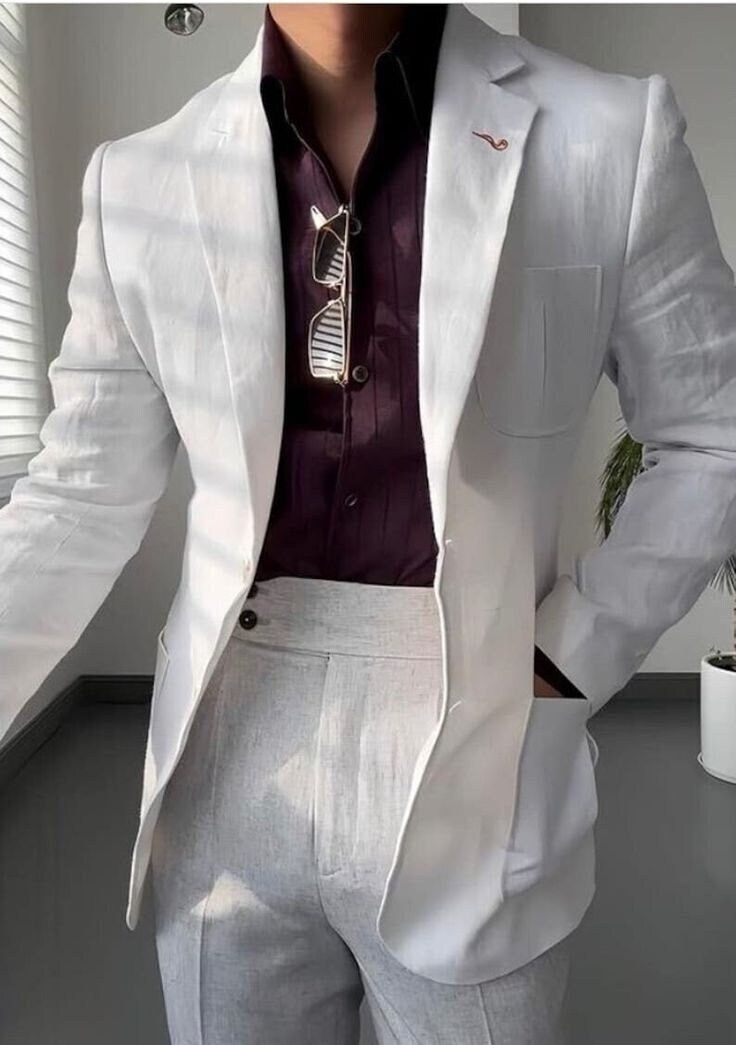
Humidity control is essential in Vietnam.
Practical solutions:
-
Use silica gel or charcoal dehumidifiers in your closet
-
Keep wardrobe doors slightly open for air circulation
-
Avoid storing suits near bathrooms or kitchens
If possible, a small electric dehumidifier can make a significant difference, especially during the rainy season.
At Maya Tailor, we often advise long-term travelers to invest in a breathable garment bag when moving between cities.
5. How Often Should You Dry Clean a Custom Suit?

One of the biggest mistakes people make is over-dry-cleaning.
Recommended rule:
-
Dry clean only when truly necessary (visible stains or strong odors)
-
Average: once every 5–7 wears at most
Frequent dry cleaning weakens fabric fibers and damages internal canvassing — especially important in a bespoke or custom suit.
Better alternatives:
-
Steam gently to remove wrinkles
-
Spot clean small stains
-
Air out the suit in a shaded, ventilated area
A well-made suit from a skilled tailor in Hoi An is designed to refresh naturally with proper airing.
6. Traveling with a Custom Suit in Vietnam
.jpg)
Many clients visit Hoi An and continue traveling across Vietnam. Here’s how to protect your suit on the road:
Packing tips:
-
Use a proper garment bag when possible
-
If folding, place tissue paper between folds
-
Never compress the suit tightly in luggage
Upon arrival:
-
Hang the suit immediately
-
Steam lightly to release travel creases
At Maya Tailor, we often advise clients on how to pack their custom suits safely for flights, trains, or long road trips.
7. Seasonal Suit Care Tips in Vietnam
.jpg)
Rainy Season (May – October)
-
Increase ventilation
-
Check for moisture weekly
-
Avoid wearing the same suit two days in a row
Dry Season (November – April)
-
Watch for dust accumulation
-
Brush fabric gently after wear
-
Maintain humidity balance to prevent fabric dryness
Understanding seasonal changes is key to preserving the elegance of your custom suit in Hoi An.
8. Why Professional Tailoring Makes Maintenance Easier
A properly constructed suit is easier to care for. At Maya Tailor, we focus on:
-
Hand-padded canvassing for breathability
-
Natural shoulder construction
-
Balanced lining for airflow
-
Precise fitting to reduce stress on seams
These details ensure that your suit maintains its structure even in challenging climates.
This is the difference between mass-produced suits and a true tailor-made suit in Hoi An.
9. When to Bring Your Suit Back to the Tailor
.jpg)
A good relationship with your tailor doesn’t end after fitting.
Visit your tailor when:
-
The suit feels tighter or looser due to climate or body changes
-
Minor repairs are needed (buttons, lining, pressing)
-
You want seasonal adjustments
At Maya Tailor Hoi An, we encourage long-term care and after-service support to keep your suit looking exceptional for years.
Conclusion: Protect Your Investment, Preserve Your Style
A custom suit is not just clothing — it is an investment in craftsmanship, confidence, and personal style. In Vietnam’s humid climate, proper care is essential to protect that investment.
By choosing the right fabrics, storing your suit correctly, and following professional care advice, your custom suit from a trusted tailor in Hoi An can last a decade or more — aging beautifully with time.
At Maya Tailor, we believe true tailoring doesn’t end at the final fitting. It continues every time you wear, store, and care for your suit.